

Introduction: More Than a Roof Overhead
Accommodation, in its simplest sense, is shelter — a place to rest one’s head and feel secure from the elements. Yet, in today’s world, accommodation has transcended its basic definition. It has evolved into an intricate tapestry of experiences, choices, and comforts that mirror our shifting lifestyles and aspirations. From boutique hotels nestled in historical quarters to futuristic eco-lodges in remote forests, the very idea of “where we stay” has come to define “how we live” when we step away from home.
The Roots: From Inns to Iconic Hotels
The journey of accommodation is as old as travel itself. Ancient roadside inns, guesthouses in bustling port cities, and coaching houses along trade routes served weary traders and adventurers. Over centuries, the notion of hospitality matured alongside civilization. The grand hotels of the 19th century became icons of luxury and status. Buildings like the Ritz in Paris or The Plaza in New York were more than places to sleep — they were emblems of societal prestige and architectural brilliance. The golden age of travel saw the hotel industry setting benchmarks in service, opulence, and innovation.
Modern Diversification: A Stay for Every Story
Today, the spectrum of accommodation options is astonishingly broad. A solo backpacker, a honeymooning couple, a digital nomad, and a family on vacation — each finds a space tailored to their whims and needs. The rise of niche accommodations has redefined the way we perceive comfort and adventure.
Notable Categories Include:
-
Luxury Hotels: Synonymous with indulgence, these properties pamper guests with world-class amenities, Michelin-starred restaurants, and personalised concierge services.
-
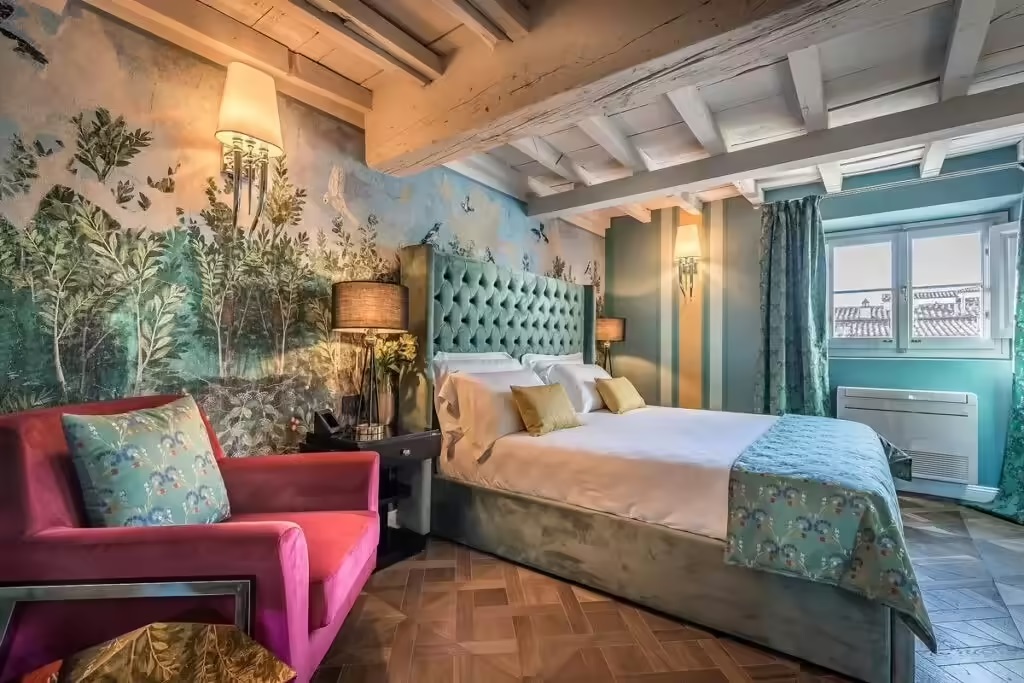
Boutique Hotels: Intimate in scale and big on character, boutique hotels often occupy unique buildings and infuse local culture into their design and hospitality.
-
Vacation Rentals: Platforms like Airbnb have democratized the idea of accommodation, allowing homeowners to offer authentic stays that range from city lofts to countryside cottages.
-
Hostels and Budget Stays: Far from dreary dormitories, today’s hostels are vibrant hubs for social interaction, often boasting modern décor, co-working spaces, and communal kitchens.
-
Eco-Lodges and Sustainable Retreats: As travellers become more conscious of their ecological footprint, accommodation providers have embraced sustainability — off-grid cabins, treehouses, and glamping tents offer an immersive yet mindful experience.
-
Extended Stays and Serviced Apartments: Ideal for business travellers and long-term guests, these combine the comfort of a home with the convenience of hotel services.
Design Trends: Spaces that Speak
Modern accommodation is not only about the bed you sleep in but the story the space tells. Architecture and interior design play pivotal roles in shaping guest experiences. Industrial chic, rustic minimalism, and heritage restoration are design languages that transform ordinary stays into memorable retreats. Many hoteliers collaborate with local artists and craftspeople to embed cultural nuances within walls that would otherwise be anonymous.
Open-plan lounges, rooftop terraces, and wellness zones redefine communal and private spaces, offering guests an ambience that adapts to their moods — whether they seek solitude, productivity, or connection.
Technology and the Digital Stay
Another defining feature of today’s accommodation is the seamless blend of technology and hospitality. From mobile check-ins and digital room keys to smart thermostats and voice-controlled assistants, modern hotels strive to make comfort intuitive and service invisible yet efficient. High-speed internet, once an amenity, is now a basic expectation. Remote work culture has pushed accommodations to reinvent themselves as “work-from-anywhere” sanctuaries, complete with ergonomic desks and café-style lounges.
Sustainability: A New Pillar of Hospitality
Perhaps the most significant shift in recent years is the industry’s pivot towards sustainability. Travellers, especially millennials and Gen Z, actively seek eco-conscious stays. Accommodation providers respond with initiatives like plastic-free amenities, renewable energy use, locally sourced food, and green building certifications. Some even contribute directly to conservation efforts — think lodges that support reforestation or coral reef restoration.
Challenges and Opportunities
Despite its dynamism, the accommodation sector faces multifaceted challenges. Global events like pandemics, geopolitical tensions, and economic downturns can halt travel overnight, leaving hotels with vacant rooms and mounting losses. Meanwhile, digital disruption continues to reshape how guests book and review their stays. Online ratings wield enormous influence, making reputation management more critical than ever.
On the flip side, these challenges unlock opportunities. Hybrid hospitality — merging accommodation with co-working, wellness, and cultural programming — is a trend that continues to gain momentum. Properties that invest in staff training, cultural immersion, and genuine guest engagement often emerge as winners in this fiercely competitive market.
The Human Touch: The Heart of Hospitality
Yet for all its technological leaps and design marvels, accommodation remains, at its core, a deeply human affair. A warm greeting at the reception, a thoughtful note in the room, or a local tip shared over breakfast — these small gestures linger in memory long after checkout. In an era dominated by automation, the soul of great accommodation lies in its people and their commitment to making strangers feel at home.
Conclusion: A Place to Be, Not Just to Stay
Accommodation today is not just about shelter but about stories, connection, and a sense of place. It adapts to our shifting values — sustainability, authenticity, flexibility — while preserving the timeless promise of rest and respite. Whether you choose a high-rise hotel overlooking a glittering skyline or a rustic hut beside a tranquil lake, where you stay becomes part of your journey’s narrative. And in that story, the walls, the beds, and the people who welcome you are much more than the sum of their parts — they are the keepers of countless dreams, fleeting yet unforgettable.
