

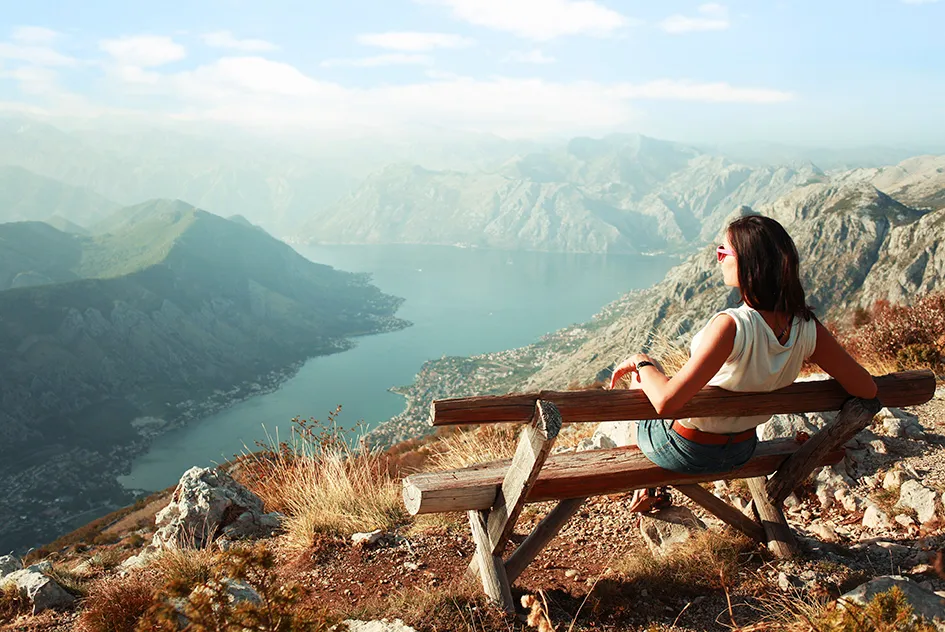
Introduction: Rekindling the Primal Urge to Explore
Adventure, at its core, is a call to the unfamiliar. In an age where convenience reigns and predictability is often prized, the notion of willingly stepping into uncertainty can seem daunting. Yet, deep within every human being lies a craving—to push boundaries, to encounter the extraordinary, and to discover both the world and oneself in the process. Adventure is not merely about adrenaline or exotic destinations; it is a mindset, a pursuit of stories worth telling, and a defiance of complacency. As modern life grows increasingly curated, the raw, unfiltered nature of true adventure has never been more vital.
The Evolution of Adventure: From Survival to Soul-Searching
In ancient times, adventure was not a choice but a necessity. Early humans set out across oceans and uncharted terrain in search of food, shelter, or safer lands. Over centuries, exploration transformed from survival to curiosity. Think of Magellan circumnavigating the globe, Amelia Earhart soaring across the Atlantic, or Tenzing and Hillary ascending Everest. These were not aimless pursuits but expressions of the irrepressible human spirit.
Today, while GPS and Google Earth have rendered much of the physical world mapped and known, the essence of adventure remains undiminished. It has shifted from outward conquests to inward journeys—more about personal growth than geographical conquest. The true adventurer now may be someone navigating a solo trek through Patagonia, learning to sail, or even daring to change careers at forty. Adventure has become deeply personal.
Types of Modern Adventures: Diverse Paths, Singular Spirit
Adventure takes many forms, all valid and transformative in their own right. It is not confined to mountains and rivers; sometimes, the most profound adventures occur within.
Physical Adventures
-
Backpacking Through Remote Regions: Traveling light and embracing unpredictability in regions like Central Asia, the Andes, or sub-Saharan Africa
-
Climbing and Mountaineering: Not just physical feats, but tests of mental endurance and humility
-
Scuba Diving and Ocean Exploration: Descending into the silence of underwater worlds, encountering the alien beauty of marine life
Cultural and Intellectual Adventures
-
Immersive Cultural Exchanges: Living with indigenous communities, learning ancient crafts, or embracing unfamiliar customs
-
Language Immersion: Moving to a country without speaking the language, and slowly learning to communicate with locals
-
Artistic Quests: Taking time off to write a novel in a French village, paint in Tuscany, or dance in Havana
Emotional and Spiritual Adventures
-
Solo Travel: The deeply introspective experience of navigating the world—and oneself—without companionship
-
Pilgrimages: Journeys like the Camino de Santiago or Varanasi’s spiritual immersion, driven by reflection and inner peace
-
Life Redefinition: Leaving behind traditional markers of success to seek a more authentic or meaningful existence
Why We Seek Adventure: The Deeper Motivations
The allure of adventure is not merely thrill or spectacle. Beneath it lies a profound yearning for meaning, discovery, and transformation.
1. To Disrupt Routine
Monotony, while comforting, can dull the senses. Adventure shocks us out of autopilot, forcing awareness, presence, and engagement with life’s raw textures.
2. To Confront Fear
Adventure is not the absence of fear but the willingness to face it. Whether it’s fear of the unknown, failure, or vulnerability, stepping into adventure is a quiet act of courage.
3. To Rediscover Identity
Stripped of familiar roles and contexts, we confront our truest selves. Adventure allows us to shed societal masks and meet the person who lies beneath.
4. To Forge Connection
Adventure fosters unique human bonds. Strangers become companions, cultural barriers dissolve, and shared challenges birth deep camaraderie.
5. To Find Awe
In a world of screens and deadlines, adventure returns us to awe—the feeling of standing beneath the Northern Lights, or amid an Amazon thunderstorm, or watching dawn break from a cliff edge.
Planning vs. Spontaneity: The Art of Balance
One of the paradoxes of adventure is that while spontaneity fuels its spirit, a certain degree of planning ensures safety and feasibility. The sweet spot lies in preparing enough to be wise, yet leaving space for the unpredictable.
Planning Essentials
-
Research, not rigid itineraries: Understand the region, culture, and risks, but allow flexibility
-
Gear and Safety: Invest in quality gear suited to the terrain and climate; know basic first aid
-
Local Knowledge: Respect local customs and seek guidance from those who know the land
Embracing Spontaneity
-
Say yes more often: A local’s dinner invitation, a detour off the beaten path, or an unexpected festival can lead to the most treasured moments
-
Travel slow: Rushing negates depth; staying longer in fewer places encourages meaningful experiences
-
Release control: Things will go wrong—flights will be missed, plans will fall through—but therein lies the beauty of growth and improvisation
The Mindset of an Adventurer: Beyond Landscapes and Landmarks
Adventure is as much internal as external. An adventurous mindset can be carried into everyday life, transforming how we see the mundane.
-
Curiosity over comfort: Ask questions, explore new perspectives, and challenge assumptions
-
Resilience in adversity: Learn to adapt, improvise, and recover with grace
-
Openness to difference: Embrace other cultures, opinions, and ways of life without judgment
-
Joy in simplicity: Sometimes the greatest moments lie in quiet sunrise hikes, shared meals, or moments of solitude
Conclusion: The Legacy of Adventure in a Modern World
In a society obsessed with control, productivity, and digital immersion, adventure reminds us of life’s unpredictability, its beauty, and its impermanence. It whispers to the child within us, daring us to climb higher, dive deeper, and dream wilder.
True adventure does not need to be dangerous or distant. It is a way of approaching life—with courage, curiosity, and a willingness to be transformed. Whether you’re trekking across Mongolia or learning pottery in a coastal town, what matters is not the activity but the attitude.
Adventure is not a chapter in life—it is a theme. And for those brave enough to heed its call, the world, in all its vast and intimate wonder, becomes not a place to be endured, but a place to be lived.
