

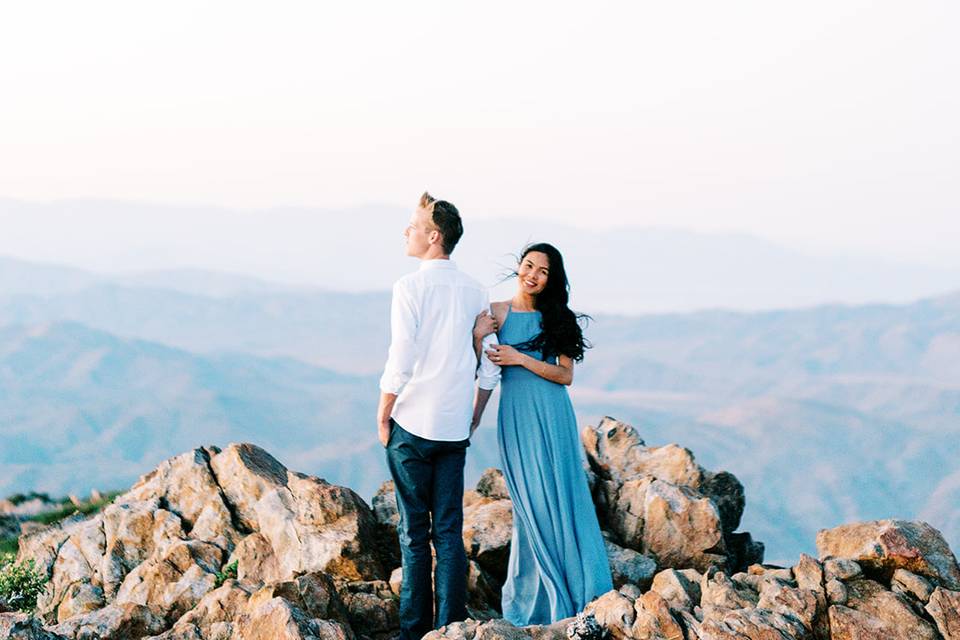
Destination photography goes beyond beautiful landmarks. It’s about revealing the character, rhythm, and emotion of a place—what makes it feel alive rather than just recognizable. Capturing the soul of a destination requires observation, patience, and a willingness to look past the obvious.
Look Beyond Landmarks
Famous sights are important, but they rarely tell the full story on their own. The essence of a place often lives in everyday moments.
Focus on:
- Side streets and neighborhoods
- Local routines and daily life
- Ordinary scenes that feel authentic
These elements add depth and context to your images.
Observe Before You Shoot
Rushing from one photo to the next can cause you to miss meaningful moments. Slowing down helps you understand how a place moves and breathes.
Take time to notice:
- How people interact with their surroundings
- Natural patterns of light and shadow
- Sounds, colors, and textures that define the environment
Observation leads to more intentional and emotionally rich photographs.
Use People to Tell the Story
People are often the strongest storytellers in destination photography. They bring scale, emotion, and humanity to an image.
Ways to include people thoughtfully:
- Capture candid moments rather than posed shots
- Show interaction between people and their environment
- Focus on expressions, gestures, or hands at work
Always approach people with respect and awareness of cultural norms.
Let Light Set the Mood
Light shapes the emotional tone of an image. The same location can feel completely different depending on the time of day.
Key lighting tips:
- Early morning light feels calm and intimate
- Late afternoon light adds warmth and drama
- Overcast conditions soften colors and reduce contrast
Choosing the right light helps convey how a place truly feels.
Pay Attention to Details
Small details often reveal more about a destination than wide shots alone.
Look for:
- Textures on walls, doors, or streets
- Food, signs, and local objects
- Colors unique to the region
Detail shots add layers to your visual story and complement broader scenes.
Balance Wide Shots With Intimate Frames
A strong destination photo series includes variety. Wide shots provide context, while close-ups add emotion and intimacy.
Aim to capture:
- Establishing shots that show location and scale
- Medium shots that show interaction
- Close-ups that highlight character and detail
This balance creates a complete and engaging narrative.
Embrace Imperfection and Real Moments
Not every photo needs to be polished or postcard-perfect. Imperfect moments often feel more honest.
Allow room for:
- Motion blur or grain when it adds atmosphere
- Unexpected weather or lighting changes
- Unplanned interactions and scenes
Authenticity often resonates more than technical perfection.
Edit With Restraint and Purpose
Editing should enhance the feeling you experienced, not replace it.
When editing:
- Keep colors natural and believable
- Avoid heavy filters that distort reality
- Focus on clarity, contrast, and mood
The goal is to support the story, not overpower it.
Why Destination Photography Is About Connection
Capturing the soul of a place requires connection—to the environment, the people, and the moment. When photographers engage with curiosity and respect, their images reflect more than visuals; they convey experience and emotion.
Frequently Asked Questions
1. What makes destination photography different from travel photography?
Destination photography focuses more on atmosphere, culture, and emotion rather than just documenting a trip.
2. Do I need professional gear to capture meaningful destination photos?
No. Strong observation and storytelling matter more than expensive equipment.
3. How can I photograph people without being intrusive?
Keep distance when possible, observe first, and ask permission when appropriate.
4. Is it better to plan shots or stay spontaneous?
A mix of both works best—research helps, but spontaneity captures authenticity.
5. How do I avoid taking cliché destination photos?
Explore less obvious locations and focus on everyday life rather than only famous spots.
6. Can editing change the story of a place?
Yes. Over-editing can misrepresent reality, while subtle edits preserve authenticity.
7. What’s the most important mindset for destination photography?
Curiosity and patience. Being present leads to images that feel honest and meaningful.
Destination photography is less about collecting images and more about understanding a place deeply. When done with intention, your photos become visual stories that carry the spirit of where you’ve been long after the journey ends.
