

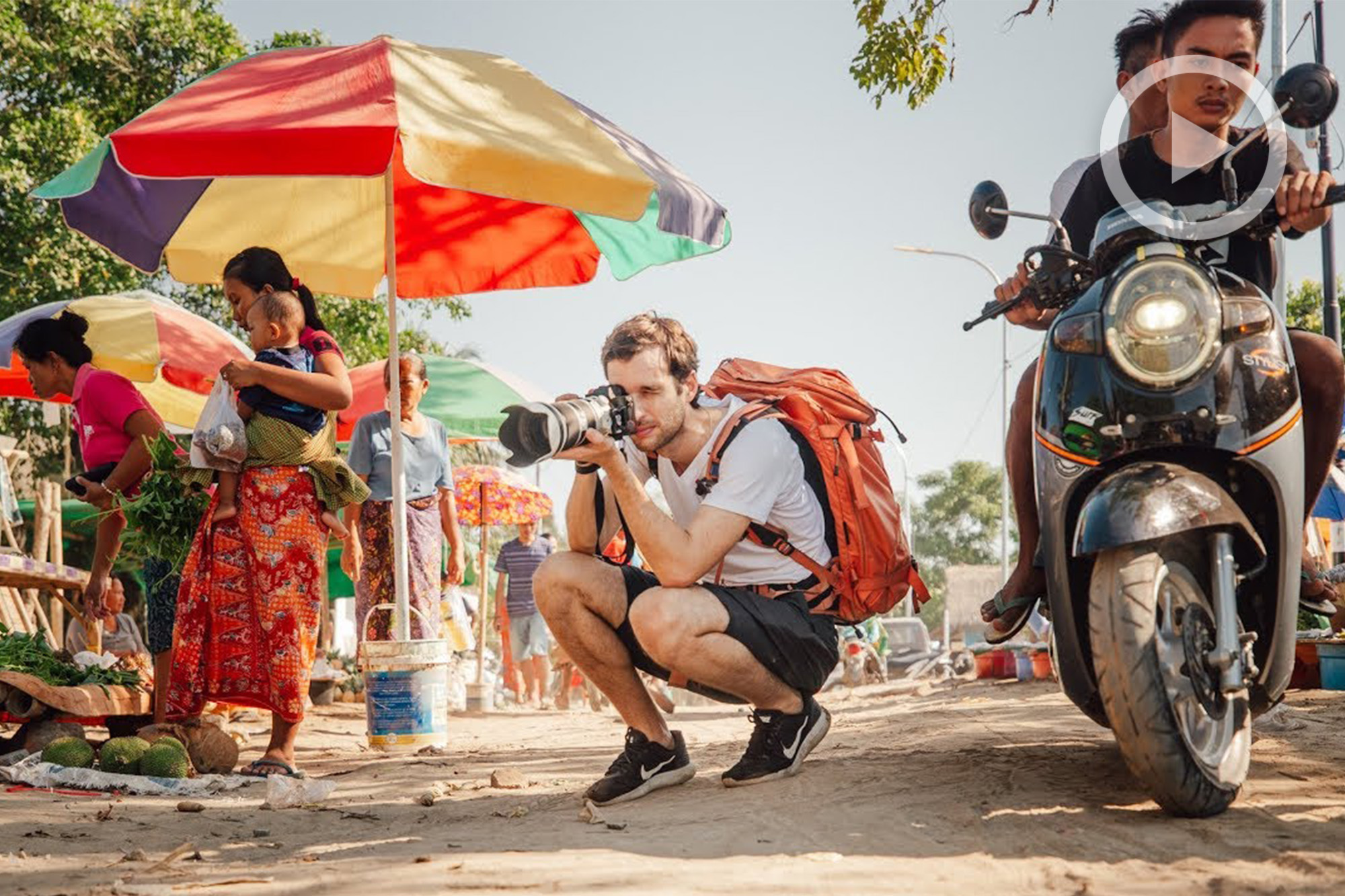
Travel photography is about more than capturing places—it’s about telling stories through images. For beginners, the challenge isn’t owning expensive gear, but learning how to see moments, light, and details while on the move. With a few practical techniques, anyone can take meaningful travel photos that feel authentic and memorable.
Focus on Story, Not Just Scenery
Beautiful landscapes are great, but stories make photos unforgettable. Think about what makes a place feel alive.
Look for:
- People interacting with their environment
- Daily routines and local traditions
- Small details like textures, signs, or food
A single image that shows emotion or context often says more than a wide scenic shot.
Use Natural Light to Your Advantage
Light can make or break a photo. Learning to work with available light is one of the most important skills for beginners.
Best practices include:
- Shooting during golden hour (early morning or late afternoon)
- Avoiding harsh midday sunlight when possible
- Using shadows creatively for depth and mood
Soft, angled light adds warmth and dimension without extra equipment.
Keep Your Composition Simple
Crowded frames can distract from your subject. Simplicity helps guide the viewer’s eye.
Composition tips to remember:
- Use the rule of thirds to place subjects naturally
- Remove unnecessary elements from the frame
- Look for leading lines like roads, fences, or paths
A clean composition often feels more powerful than a busy one.
Don’t Rely Only on Wide Shots
While wide shots capture scale, variety adds interest to your photo collection.
Aim for a mix of:
- Wide shots for context
- Medium shots for interaction
- Close-ups for texture and detail
This balance helps tell a fuller story of your travels.
Learn Your Camera Basics
You don’t need to master every setting, but understanding a few basics gives you more control.
Start with:
- Adjusting exposure for bright or dark scenes
- Knowing when to use portrait or landscape mode
- Practicing focus and stability
Confidence with your camera allows you to react quickly to unexpected moments.
Be Patient and Observant
Great travel photos often come from waiting, not rushing. Take time to watch how scenes unfold.
Patience helps you:
- Anticipate movement and expressions
- Capture natural interactions
- Avoid forced or staged shots
Sometimes the best image appears after standing still for a few minutes.
Edit Lightly and Naturally
Editing should enhance, not overpower, your photos. Beginners often over-edit without realizing it.
Keep edits subtle by:
- Adjusting brightness and contrast gently
- Correcting color balance without exaggeration
- Avoiding heavy filters
Natural-looking edits preserve the authenticity of the moment.
Respect People and Places
Ethical photography builds trust and results in better images.
Good habits include:
- Asking permission when photographing people up close
- Being mindful of cultural norms
- Avoiding intrusive or disrespectful behavior
Respect leads to more genuine and meaningful photos.
Practice More Than You Plan
The fastest way to improve is consistent practice. Don’t wait for perfect conditions.
Practice by:
- Shooting daily, even at home
- Reviewing what worked and what didn’t
- Learning from mistakes instead of deleting them immediately
Every photo teaches you something new.
Frequently Asked Questions
1. Do I need a professional camera for travel photography?
No. Smartphones and entry-level cameras are more than capable when used thoughtfully.
2. How do I avoid blurry photos while traveling?
Use stable hand positioning, good lighting, and avoid rushing the shot.
3. What’s the best camera setting for beginners?
Auto or aperture-priority modes are great starting points while learning composition and light.
4. How can I take better photos in crowded places?
Change angles, focus on details, or isolate subjects instead of trying to capture everything.
5. Is it okay to edit photos taken on my phone?
Yes. Light editing is encouraged as long as it enhances realism rather than distorting it.
6. How many photos should I take while traveling?
Take enough to experiment, but focus on quality moments rather than constant shooting.
7. What’s the most important habit for improving travel photography?
Developing the habit of observing before shooting leads to stronger, more intentional images.
Travel photography improves with awareness, patience, and practice. By focusing on storytelling rather than perfection, beginners can capture images that feel personal, honest, and timeless.
