

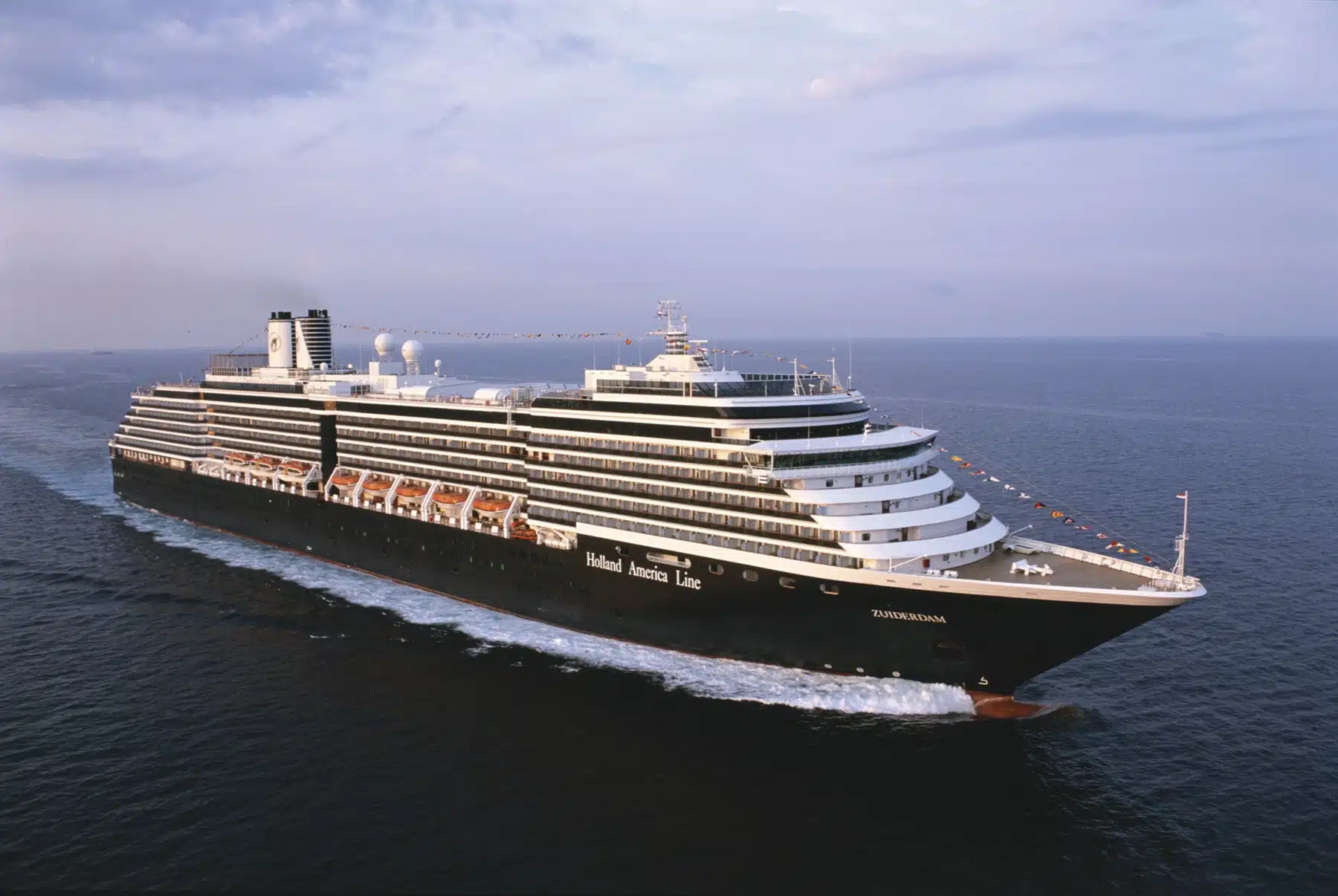
Few experiences evoke the same sense of awe and opulence as stepping aboard a cruise ship. Towering like gleaming cities upon the sea, these majestic vessels represent far more than just a mode of transportation—they are a complete, immersive journey in and of themselves. With their promise of indulgence, entertainment, and adventure, cruise ships have captured the imaginations of travelers for decades, offering an unparalleled blend of relaxation and discovery.
The appeal of cruise travel lies in its seamless balance between convenience and grandeur. Imagine unpacking your suitcase just once, yet waking up each morning to a new horizon. Unlike traditional travel, which often demands rigorous planning, transfers, and constant movement, a cruise ship offers a singular home base from which to explore the world. Whether one is gliding through the sapphire waters of the Caribbean, weaving through the dramatic fjords of Norway, or sailing past the temples of Southeast Asia, the logistics fade into the background, allowing the experience itself to take center stage.
Today’s cruise ships are architectural and logistical marvels. The largest of them rival small towns in population and amenities. Aboard, guests encounter a microcosm of global luxury—sprawling spas, gourmet restaurants, art galleries, theaters, shopping promenades, and even zip lines, surf simulators, and ice skating rinks. There’s a kind of theatricality to it all, an orchestrated elegance where every detail is designed for pleasure and ease. From the plush staterooms to the attentive staff who remember your name and morning coffee order, the atmosphere is one of effortless indulgence.
But the cruise ship experience is more than a floating resort. It is also an ever-changing window to the world. Port days bring with them a sense of eager anticipation. Each stop is an opportunity to immerse oneself in new cultures, cuisines, and landscapes. In one week, you might sample Sicilian street food in Palermo, snorkel off the coast of Belize, and walk the cobbled lanes of Dubrovnik’s old town. These curated excursions offer a taste of the exotic, often with expert local guides who provide a depth of context that transforms a simple visit into an enriching cultural encounter.
Yet, for all the excitement ashore, it is the days at sea that many seasoned cruisers hold most dear. There is something undeniably poetic about being surrounded by nothing but ocean, where time stretches and deepens. It is a rare kind of stillness—a floating pause between destinations. These intervals allow for a different kind of journey, one that turns inward. Guests may spend time reading by the pool, attending enrichment lectures on art or astronomy, or simply gazing out at the shifting blues of sea and sky. There’s a meditative quality to such moments, as the distractions of daily life fall away.
Social dynamics aboard cruise ships also contribute to their unique atmosphere. With thousands of guests gathered from around the globe, a cruise becomes a small international society. Strangers become companions over shared dinners, trivia games, or dance classes. There’s a certain egalitarian charm to cruise life; whether you’re a solo traveler, a honeymooning couple, or a retired couple on their tenth voyage, the environment encourages interaction, curiosity, and camaraderie.
Of course, like any mode of travel, cruise ships are not without their critiques. Environmental concerns loom large, particularly as the industry grapples with its carbon footprint and impact on delicate marine ecosystems. In response, many cruise lines have taken significant steps toward sustainability, investing in cleaner propulsion technologies, advanced wastewater treatment systems, and environmentally conscious shore excursions. The concept of “green cruising” is steadily gaining ground, reflecting a broader shift in traveler priorities toward responsible tourism.
Another evolving dimension of cruising is its inclusivity and diversity. Gone are the days when cruise ships catered exclusively to retirees or wealthy elite. Today’s voyages are designed for families, solo adventurers, multi-generational groups, and even niche interests like wellness, wine, or jazz. The rise of themed cruises has opened up a world where one can enjoy a floating film festival, a fitness boot camp at sea, or an immersive history-focused itinerary tracing ancient civilizations. This diversification has made cruising not only more accessible but also more personally meaningful.
There’s also something inherently romantic about cruising, a lingering nostalgia that connects today’s travelers with the glamour of a bygone era. Think of the transatlantic crossings of the early 20th century—the elegance of ocean liners, the fashion, the sense of mystery and possibility. Modern ships echo this legacy while layering it with contemporary comforts. In a world often defined by speed and efficiency, the deliberate, unhurried pace of a cruise feels like a welcome rebellion.
In essence, a cruise ship is more than just a vessel—it is a stage for human experience in all its richness. It’s a place where luxury meets curiosity, where the horizon becomes a metaphor for potential. For some, it’s about ticking destinations off a bucket list; for others, it’s about rediscovering leisure, connection, or even oneself.
Whether sailing for three days or three weeks, the voyage offers a rare kind of freedom: freedom from schedules, from stress, from the relentless rush of the modern world. It’s the luxury of choice—do everything or nothing at all. And somewhere between departure and return, between champagne toasts and starry midnights, a simple truth emerges: the journey itself is the destination.
