

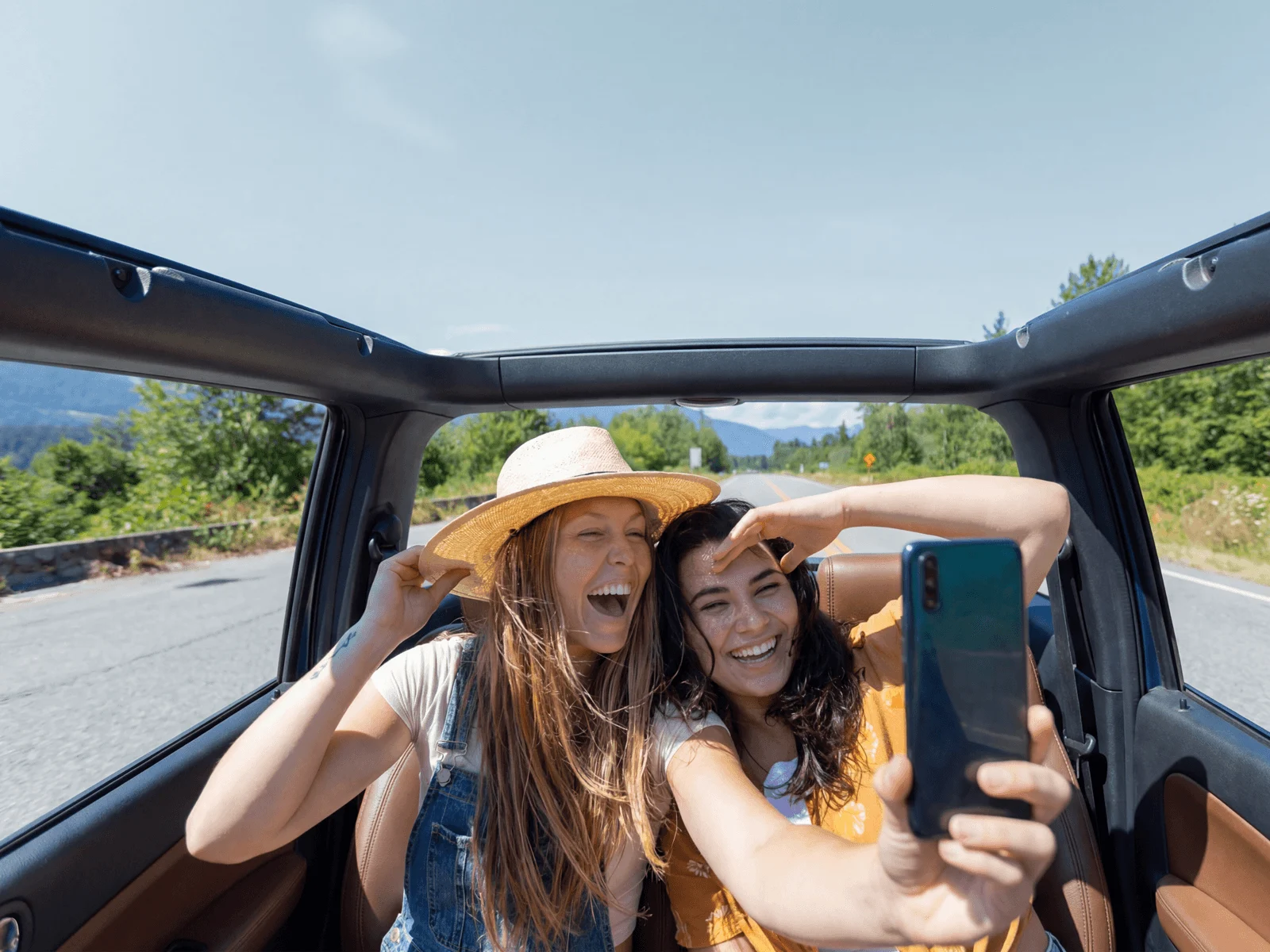
Handing a tablet to a restless child in the back seat is the default instinct of modern family travel. It promises an instant hush, a predictable routine, and hours of uninterrupted highway driving. Yet parents who rely entirely on glowing glass during long-distance road trips know the hidden cost that comes with it. Children locked into a screen trance often emerge at rest stops irritable, disoriented, and prone to explosive meltdowns. Add the chronic risk of motion sickness from staring downward at a flickering display, and the digital pacifier quickly reveals its limits.
Traveling across the country by car presents an increasingly rare gift: an extended, uninterrupted stretch of family time. Removing the digital crutch does not mean enduring eight hours of relentless whining, nor does it require adopting the role of an exhausted cruise director. Keeping children content, curious, and calm on the highway comes down to intentional pacing, tactile novelty, and activities that invite them to look outward at the passing world.
The Cadence of Surprise: Staged Activity Drops
The most common tactical error parents make is dumping an entire bag of fresh toys, coloring pads, and games into the back seat before the car even leaves the driveway. Within forty miles, the floorboard is blanketed in debris, the novelty has evaporated, and the chorus of boredom begins before the first county line.
Attention spans thrive on anticipation. Rather than offering open access to every distraction, implement a staged release system using brown paper bags or numbered parcels.
Label these packages with specific mileage intervals, state crossings, or landmark sightings. A child might receive Bag One when the odometer hits one hundred miles, Bag Two after crossing a major suspension bridge, and Bag Three following a lunch stop. The items inside do not need to be expensive or elaborate. In fact, small, tactile oddities often command more focus than complex toys:
-
Wax-covered yarn sticks that bend into infinite three-dimensional sculptures without leaving sticky residue on automotive upholstery.
-
Miniature tins of sensory putty or non-drying sculpting clay that can be worked between small fingers while watching the road.
-
Single-purpose travel tangrams or magnetic shape boards that challenge spatial reasoning.
-
Water-reveal activity pads that deliver the vibrant payoff of watercolor painting using nothing more than a refillable water pen.
Spacing out these items transforms the journey into a structured game of milestones, giving children a concrete answer to how far they have traveled without checking an electronic clock.
Audio Storytelling: Shared Worlds Without the Glare
When children stare into individual screens, the cabin fragments into isolated bubbles. Audiobooks and narrative podcasts accomplish the exact opposite: they weave a shared imaginative atmosphere across the entire vehicle while encouraging young passengers to keep their chins up and their eyes trained out the window.
Audio entertainment bypasses the inner-ear confusion that triggers car sickness, stimulating language processing and visualization. The secret lies in selecting material that appeals to multiple age brackets without driving the adults in the front seats toward madness.
Curating Episodic and Full-Cast Productions
Avoid dry, single-narrator books that read like school assignments. Instead, look for full-cast audio dramatizations featuring distinct voice actors, original musical scores, and cinematic sound effects. Classic radio drama adaptations of fantasy series, adventure tales, and historical fiction instantly capture young imaginations.
For shorter drives or transitional stretches, episodic children’s podcasts offer bite-sized engagement. Debate-style shows that pit whimsical concepts against each other—such as cast-iron cookware versus nonstick pans, or octopuses versus chimpanzees—spark lively back-and-forth conversation between siblings.
Turn passive listening into an active game by pausing the audio right before a critical plot reveal. Ask everyone in the car to predict what happens next, or challenge children to sketch the monster, spaceship, or secret room described by the narrator using a lap tray.
Low-Mess Tactile Architecture for the Back Seat
Keeping hands busy prevents the physical restlessness that usually masquerades as bad behavior. However, traditional craft supplies are a recipe for backseat disaster. Crayons melt on hot upholstery, marker caps disappear beneath heavy floor mats, and loose paper gets crumpled into floorboard rubbish.
A successful road trip craft kit relies on smart structural containment and mess-free tools.
The Metal Baking Sheet Workspace
The single most valuable piece of equipment for a screen-free road trip is an inexpensive rimmed metal cookie sheet. Placed on a child’s lap, the raised edges create a physical barrier that stops rolling colored pencils, plastic figures, and snack crumbs from tumbling into the dark abyss between car seats.
Because these trays are magnetic, they serve as mobile staging platforms for:
-
Magnetic poetry tiles, alphabet blocks, and geometric puzzle pieces.
-
Paper dolls or action figures with small neodymium magnets affixed to their feet.
-
Tic-tac-toe grids and checkers boards drawn with dry-erase markers directly onto the metal surface.
Reusable Dry-Erase Window Art
Car windows are massive, transparent drawing boards. Arm children with specialized dry-erase markers or glass-safe window crayons and let them draw directly on their passenger side windows.
Children can outline passing buildings, draw funny hats that align with passing semi-truck drivers, or frame passing cows with cartoon speech bubbles. When they want to start over, a simple microfiber cloth wipes the glass completely clean, leaving zero residue on the vehicle interior.
Reinventing Highway Observation Games
The traditional license plate game and twenty questions remain road trip staples for good reason, but modern traffic calls for an upgrade to these mid-century diversions. Static observation games lose steam quickly if they lack competition or narrative intrigue.
Bespoke Visual Scavenger Hunts
Design customized route bingo cards or scavenger sheets tailored to the specific geographical corridor you are traversing. A drive through the desert southwest demands different observation targets than a journey across the agricultural Midwest or coastal New England.
Equip children with a list containing both common and elusive sights:
-
A roadside billboard advertising local pecans or peaches.
-
A wind turbine farm spanning an entire ridgeline.
-
A vintage pickup truck painted an unusual color.
-
A barn with an advertisement painted directly across the roof shingles.
-
A train hauling freight cars across a parallel rail track.
To keep the game fair across different developmental ages, use pictorial sheets for preschoolers and written descriptions with point values for older grade-schoolers. The first person to tally fifty points gets the privilege of choosing the playlist track for the next hour or selecting the flavor of the family’s afternoon gas station snack.
The Collaborative Word Chain
When children grow tired of physical objects, verbal games bridge the miles without taking up luggage space.
In the classic memory chain game, the first traveler begins with a prompt: “I went on a road trip and packed an apple.” The next person must repeat the sentence and add an item starting with the next letter of the alphabet: “I went on a road trip and packed an apple and a baseball.” The sequence continues down the alphabet until someone stumbles over the recited list. The inevitable absurdities that emerge as the alphabet progresses into obscure letters never fail to trigger belly laughs from the back seat.
Rest Stops as Kinetic Reset Buttons
When children erupt into tantrums after five hours on the highway, the breakdown is rarely behavioral; it is biological. Young nervous systems are built for movement. Forcing a seven-year-old into a passive, seated position for hours at a time causes kinetic energy to back up like water behind a cracked dam.
A standard five-minute gas station stop does not resolve this issue. Standing in a fluorescent-lit queue to use a restroom and walking fifteen feet back to the car only prolongs the confinement.
Reimagine rest stops as deliberate kinetic discharge sessions:
-
Pack a dedicated playground kit right at the very top of your trunk: a frisbee, a kickball, and a nylon jump rope.
-
Bypass crowded interstate travel plazas whenever feasible in favor of municipal parks, recreation fields, or elementary school playgrounds located three minutes off the highway exit.
-
Institute mandatory movement routines at rest areas. Have races across grassy picnic lawns, see who can hold a one-legged tree pose the longest, or challenge the kids to do fifty jumping jacks before anyone walks into the restroom.
Spending twenty active minutes throwing a ball in the grass pays massive dividends over the subsequent two hours of driving, allowing children to burn off accumulated physical tension and settle back into their car seats with relaxed bodies.
Cultivating Route Ownership and Navigation Agency
Children frequently complain in the car because they feel entirely powerless. Strapped into the rear rows with limited forward visibility, they have no concept of where they are in space, how far they have traveled, or how much longer the confinement will last.
Restoring their sense of agency transforms passive, whiny passengers into active co-pilots:
-
Provide a physical road atlas or custom laminated map: Draw your primary route with a bold marker. Hand older children dry-erase markers so they can trace the car’s progress town by town, calculating remaining distances and tracking elevation shifts.
-
Assign specialized vehicle roles: Designate one child as the Chief Navigator responsible for announcing upcoming state borders, another as the Weather Officer assigned to spot changing cloud formations, and a younger sibling as the Official Bridge Counter.
-
Give them an allowance for local oddities: When you stop for fuel, allocate two or three dollars per child with a specific mission: find the strangest, most local postcard, enamel pin, or novelty item in the store. Curating a small physical collection of quirky travel mementos anchors memories far better than plastic trinkets ordered online.
Traveling without screens demands more forethought and an occasional burst of parental stamina, but the payoff is immense. You reclaim the open road as a theater of shared humor, wild geography, and unexpected conversation—the very experiences that make family road trips unforgettable decades after the luggage is unpacked.
