

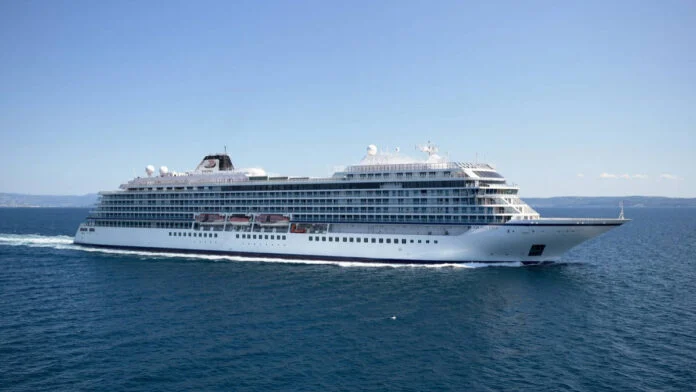
There is something inherently romantic about the idea of setting sail across vast oceans, letting the horizon stretch endlessly ahead. For centuries, the sea has inspired explorers, poets, and dreamers alike. Today, that same sense of adventure and wonder is captured aboard modern cruise ships—floating cities designed not just to transport, but to transform. These magnificent vessels offer more than just travel; they deliver an experience that blends luxury, leisure, and cultural exploration into a seamless journey unlike any other.
The cruise ship industry has evolved dramatically over the past few decades. What once catered to a niche group of elite travelers has now expanded into a global phenomenon, attracting millions of passengers each year from all walks of life. From the opulent mega-liners of the Caribbean to the sleek expedition ships navigating the icy waters of Antarctica, the diversity of cruise experiences today is both impressive and unprecedented. This variety allows travelers to choose the voyage that best suits their tastes, whether that means sipping cocktails under the sun in the Mediterranean or witnessing the ethereal glow of the Northern Lights from the deck of a Nordic cruiser.
At the heart of the cruise experience is the ship itself—a marvel of modern engineering and hospitality. These vessels are meticulously designed to offer the utmost in comfort and entertainment. Grand atriums, sweeping staircases, panoramic glass elevators, and elegantly appointed staterooms are standard features on most ships. Beyond the aesthetics, however, lies a sophisticated infrastructure capable of supporting thousands of guests and crew. Restaurants, theaters, pools, spas, gyms, shopping arcades, and even onboard water parks and roller coasters are common on larger vessels, creating an all-encompassing environment where every need is anticipated and met.
Dining on a cruise ship is an experience in itself, often rivalling that of high-end restaurants on land. Most ships boast a range of culinary options, from extravagant buffets to specialty restaurants helmed by award-winning chefs. The focus on international cuisine reflects the global nature of cruising, with menus that span continents and cultures. Guests can enjoy French haute cuisine one evening and authentic Japanese sushi the next. The culinary journey mirrors the geographical one, offering a taste of the world both on and off the ship.
Entertainment is another cornerstone of the cruise ship experience. From Broadway-caliber stage productions to intimate jazz performances, live music, dance, and comedy shows, the range of onboard entertainment is nothing short of spectacular. Casinos, nightclubs, art auctions, and enrichment lectures ensure that days at sea are anything but dull. For families, cruise lines have made significant investments in child-friendly activities, including kids’ clubs, character meet-and-greets, and interactive learning programs, allowing parents to unwind while their children are safely and happily engaged.
One of the most compelling aspects of cruising is the opportunity to explore multiple destinations without the inconvenience of unpacking and repacking. A typical itinerary might include several ports of call, each offering its own unique attractions. Whether it’s the ancient ruins of Athens, the coral reefs of the Bahamas, or the fjords of Norway, the cruise format allows travelers to sample a wide array of cultures and landscapes in a relatively short span of time. Shore excursions—curated experiences led by knowledgeable guides—provide deeper insight into local history, cuisine, and customs, enriching the travel experience far beyond the surface.
For those seeking tranquility and rejuvenation, modern cruise ships offer an array of wellness options. Full-service spas, yoga classes at sunrise, and adults-only retreats provide sanctuary from the bustle of daily life. Luxury lines, in particular, are known for their serene atmospheres, smaller passenger counts, and personalized service. These ships often include butler service, private verandas, and exclusive lounges, catering to those who view travel not just as movement, but as artful repose.
Environmental concerns have not gone unnoticed by the cruise industry, which in recent years has made significant strides toward sustainability. While critics have rightfully pointed out the carbon footprint of large ships, many cruise lines are now investing in cleaner technologies, waste reduction programs, and responsible tourism practices. Hybrid engines, advanced water treatment systems, and partnerships with local conservation groups are part of a growing effort to ensure that cruising remains compatible with environmental stewardship.
Of course, no discussion of cruise ships would be complete without acknowledging the camaraderie they foster. There’s a special kind of magic that occurs when people from different countries and cultures come together aboard a ship, sharing meals, stories, and sunsets over open water. Friendships are formed, traditions are exchanged, and passengers often leave the ship not only with souvenirs but with a richer understanding of the world and their place in it.
Cruising, at its best, is the epitome of slow travel—an antidote to the hurried, transactional nature of modern tourism. It invites travelers to savor each moment, to watch the sea shift from azure to indigo, to hear the quiet thunder of waves beneath the hull as they sleep. It is a sensory experience, a luxurious reprieve, and a gateway to the world, all rolled into one.
In the end, a cruise ship is more than a mode of transportation. It is a destination in itself, a meticulously crafted ecosystem that caters to curiosity, indulgence, and discovery. Whether one is seeking adventure, romance, family bonding, or simple relaxation, cruising offers a uniquely enriching way to experience the world. And as ships grow ever more innovative and inclusive, the allure of the open sea continues to beckon—with promise, with elegance, and with an unmistakable sense of grandeur.
